


Five Years, One Mountain, Thousands of Stories
When a small group of adventurers led by tourism entrepreneur Amos Wekesa stood atop the snow-capped peaks of the Rwenzori Mountains in June 2022, they carried more than climbing gear.
They carried an idea.
At the summit, Wekesa and his team raised the Tusker Lite Mt Rwenzori Marathon flag, marking the symbolic beginning of what would become one of East Africa’s fastest-growing sports tourism events.
“When we raised that flag, many people thought it was an ambitious dream. But we believed the Rwenzori deserved an event that could showcase the beauty of the region to the world.
Looking back now, it is remarkable to see how far that vision has come,” says Wekesa.
Four years later, that idea has evolved into a movement. The Tusker Lite Mt Rwenzori Marathon has grown from an ambitious concept into a globally recognised race that attracts thousands of runners, fills hotels across Kasese, creates business opportunities for local communities and places Uganda’s tourism potential before international audiences. Yet perhaps its greatest achievement is how many different people now call it their own.
The birth of a vision
Following the summit expedition, organisers Equator Hikes and title sponsor Tusker Lite unveiled the marathon at a press briefing at Margherita Hotel in Kasese.
The concept was simple but ambitious: create an event that combined sport, tourism, lifestyle and celebration against the backdrop of one of Africa’s most spectacular mountain ranges.
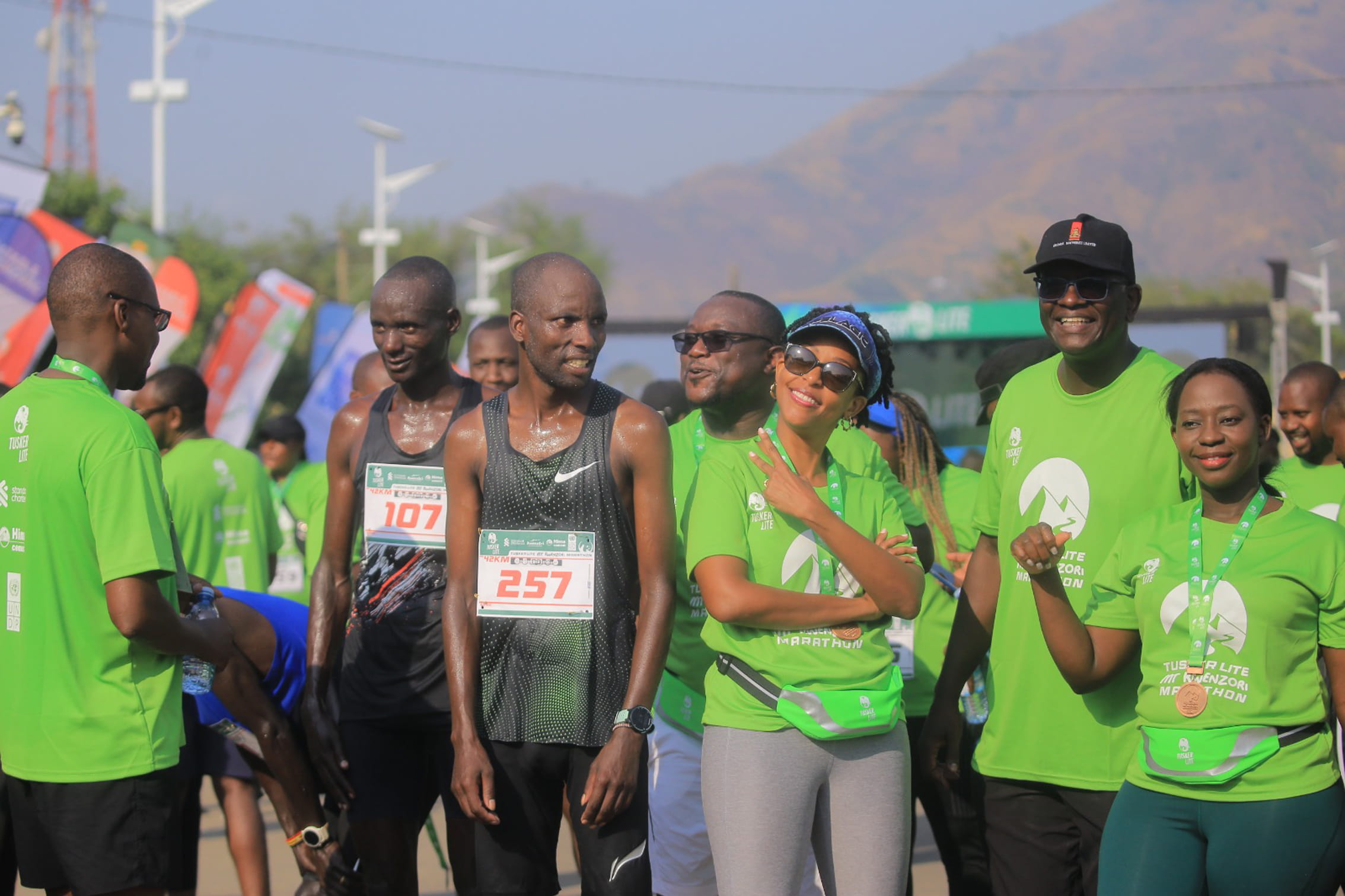
At the launch, Elizabeth Mutamuliza, Head of Beer at Uganda Breweries Limited, said the partnership reflected Tusker Lite’s commitment to active living and creating opportunities for people to connect through shared experiences.
“As a low-carb beer, Tusker Lite is made for people who enjoy active lifestyles. This marathon allows participants to push themselves on the course and then come together afterwards to celebrate and connect responsibly,” she said.
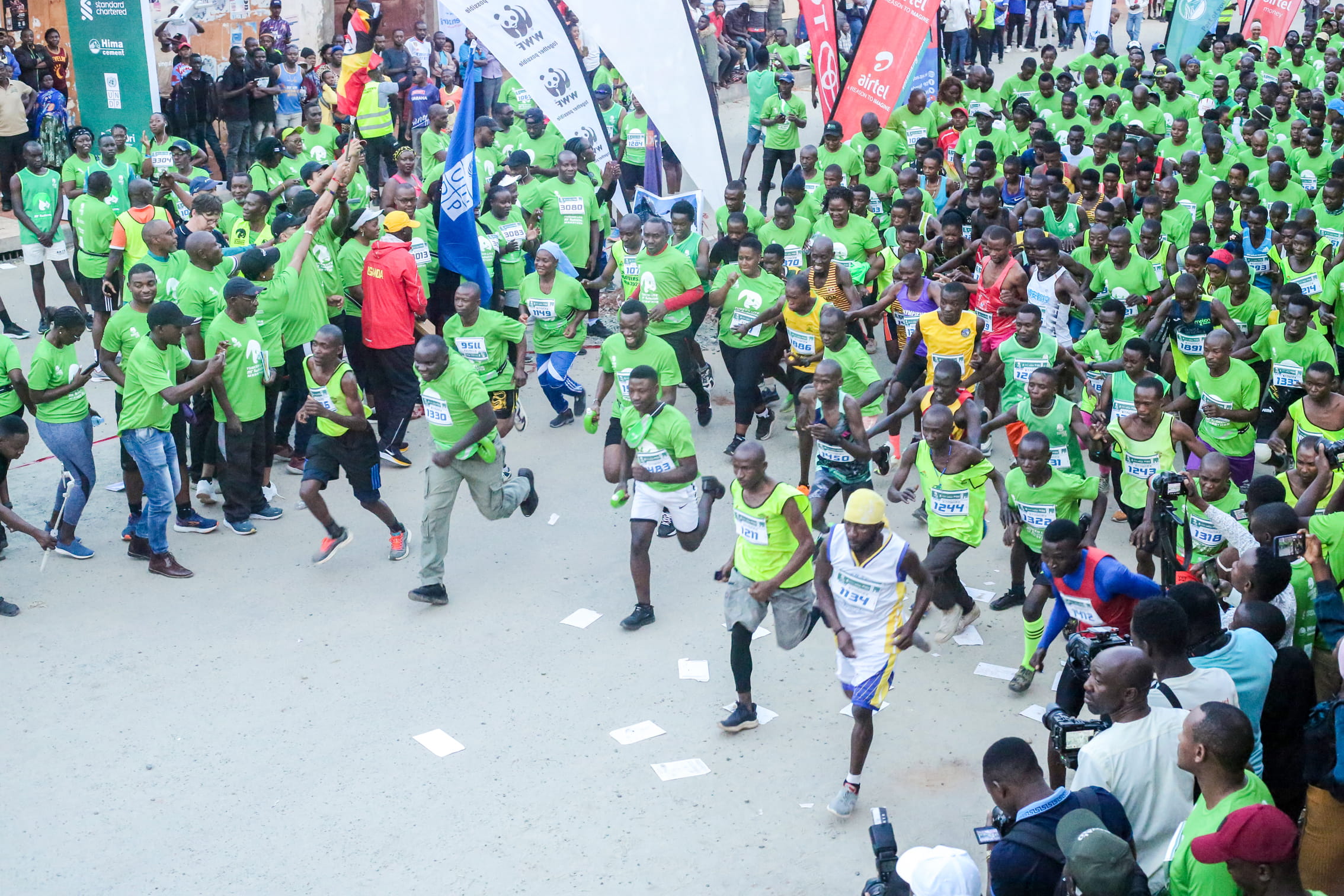
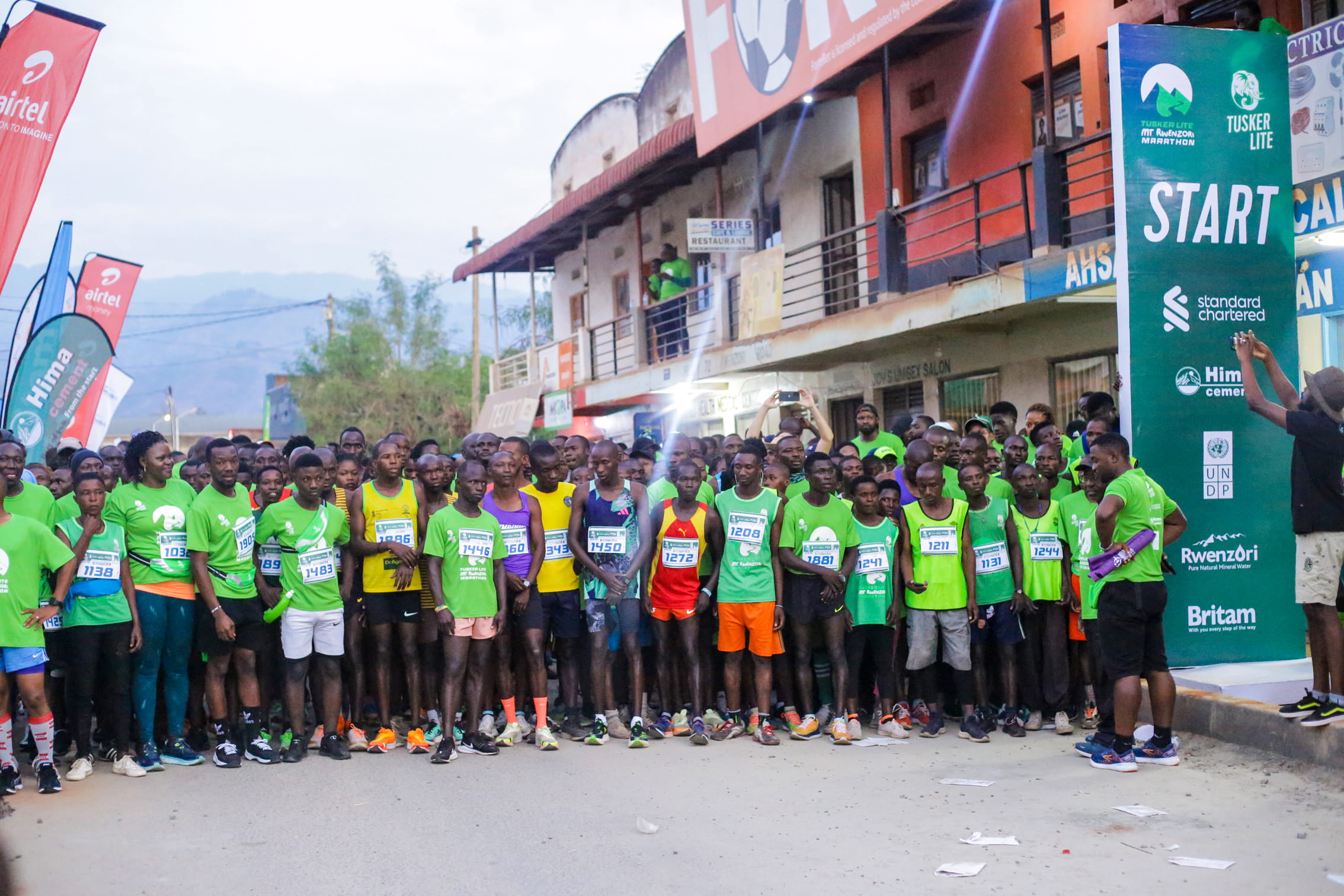
The first edition, held on September 3, 2022, was far from easy. Runners battled rain, mud and difficult terrain throughout the course. But those conditions ended up becoming part of the event’s identity. For many participants, the challenge distinguished the race from traditional city marathons.
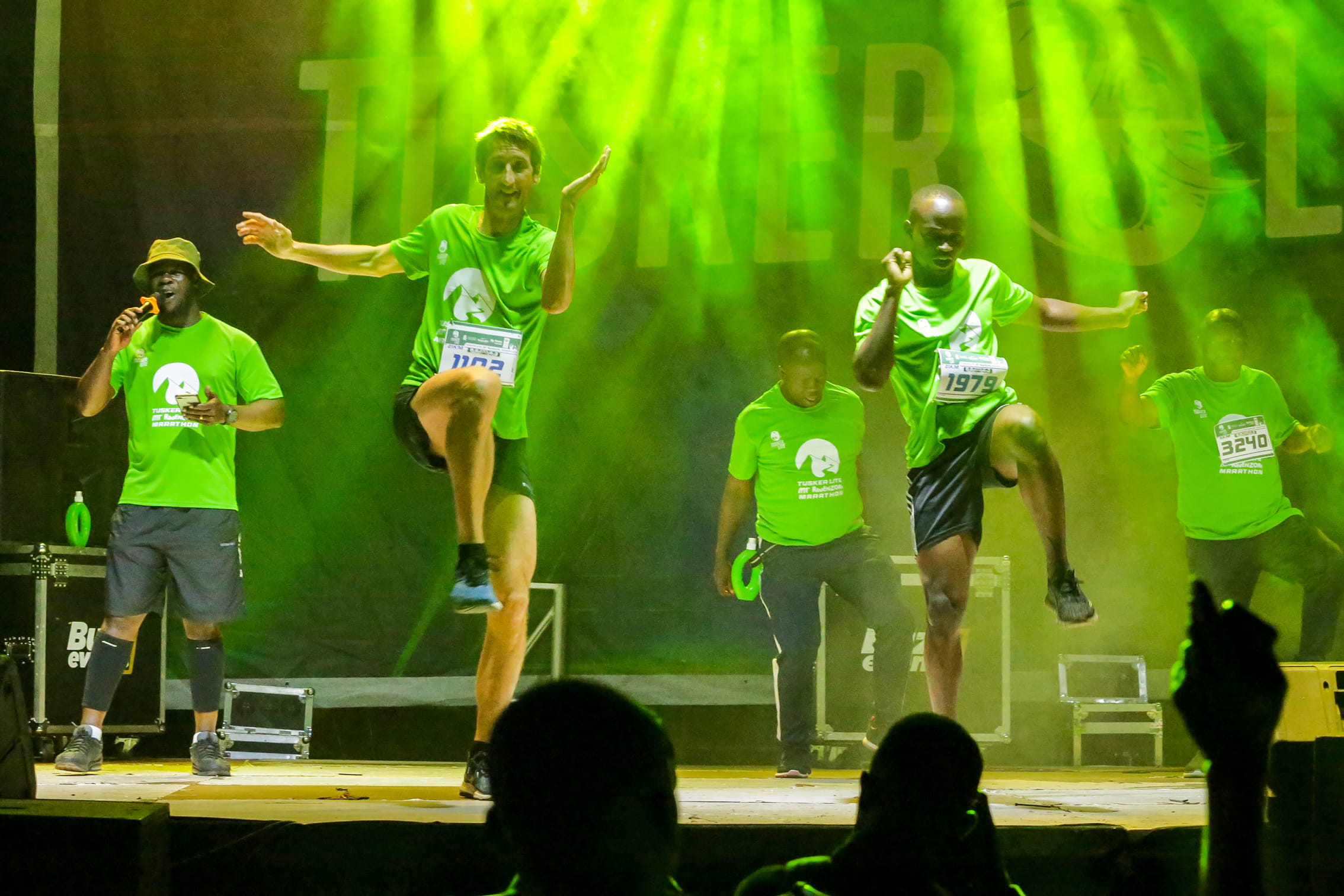
The local community embraced it immediately. Villages along the route turned into cheering stations, while residents lined the roads to encourage runners navigating the demanding course. When the race ended, the celebrations began. Runners, residents and visitors gathered for an
after-party that would eventually evolve into the now-famous Tusker Lite Neon Raves, adding a lifestyle dimension that helped set the event apart from many other races on the continent.
The race begins to transform a region
By the second edition, it was becoming clear that the marathon was growing beyond expectations. More runners registered. More spectators turned up. More organisations came on board as partners.
Kasese itself began to feel the impact. Hotels welcomed visitors from across Uganda and beyond. Restaurants, transport operators and small businesses experienced increased activity as marathon weekend became one of the busiest periods on the local calendar.
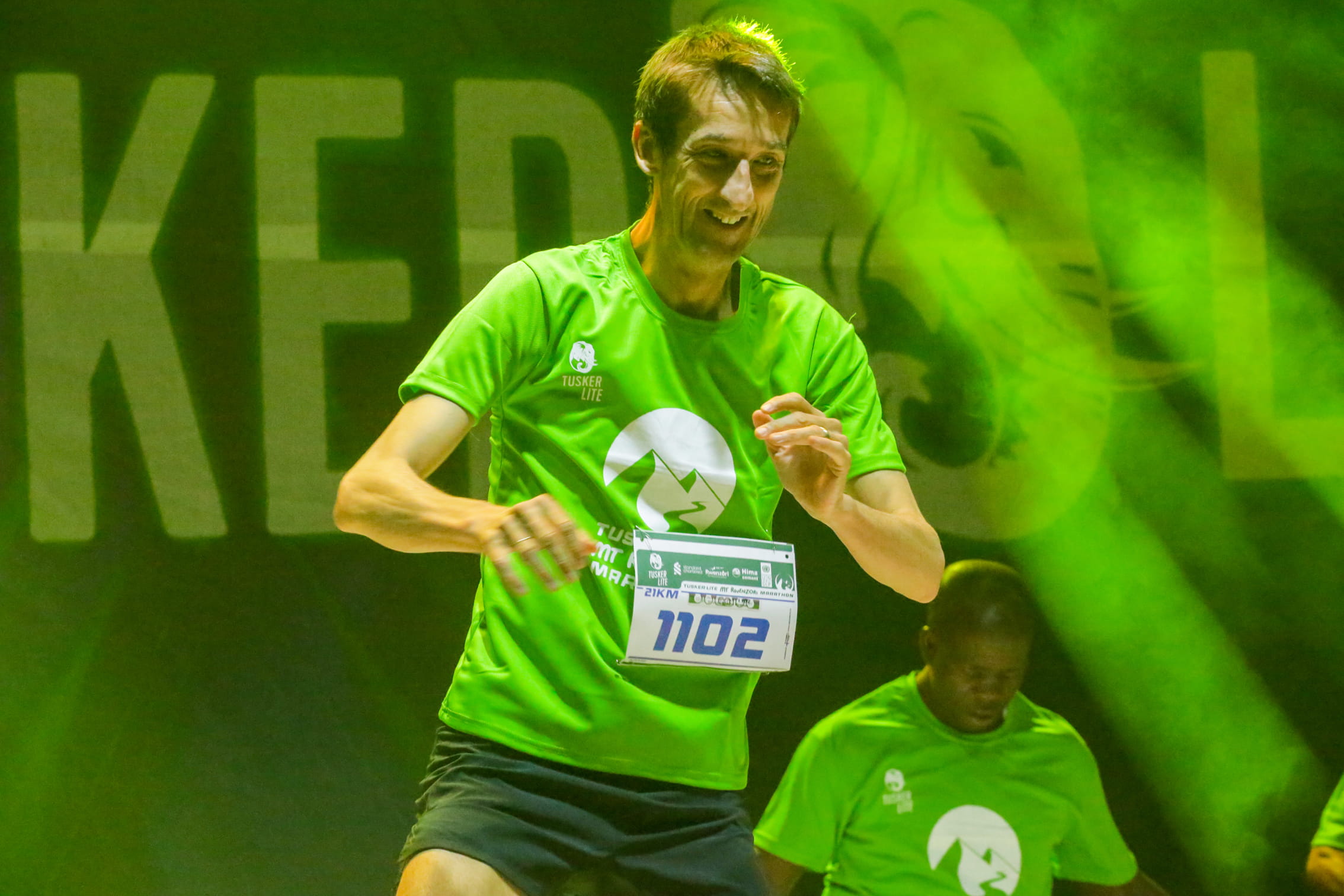
Road improvements around parts of the route also changed the race experience, making sections of the course more accessible while preserving the scenery that had become one of the marathon’s major attractions. Participation crossed the 1,000-runner mark, cementing the event’s position among Uganda’s leading road races.
“What excites me most is that the marathon has become bigger than the race itself. It has become a platform for tourism, for local businesses, for athletes and for communities. Every year you see more people discovering Kasese for the first time and leaving with a completely different perspective of the region,” says Wekesa.
The wider economic impact has been quantified by a Makerere University Tourism Research and Development Centre study, it estimated that the marathon generated more than Shs3.5 billion for the Kasese economy during its 2023 event weekend.
The report cited increased tourism activity, higher hotel occupancy, growth in small businesses, job creation and greater visibility for the region. For many local businesses, the marathon had become more than a sporting event. It had become an economic opportunity.
A platform for bigger dreams
The third edition marked an important milestone when the race route received certification from World Athletics following assessment by course measurer Gavin Wright.
For organisers, it was validation of years of work. For athletes, it created new possibilities.

Among those who benefited was Abel Chelangat, who won the men’s 42-kilometre race in 2:14:59. The significance of that performance extended well beyond the prize money.
“For elite athletes, a certified course changes everything. It means your time is recognised internationally and can open doors to bigger races. Winning in Kasese gave me confidence, but more importantly it gave me a performance that I could use as I pursued opportunities abroad,” Chelangat says.
Armed with a certified marathon time, Chelangat went on to compete strongly in races such as Porto Marathon, Riyadh Marathon, Rabat Marathon and Barcelona Marathon. His story became one of the clearest examples of how the marathon was helping Ugandan athletes access opportunities on bigger stages.
Other runners also leveraged certified results from Kasese to improve rankings, secure sponsorship opportunities and attract interest from athletic clubs. What began as a race in the shadow of the Rwenzoris was increasingly becoming a launchpad for athletic careers.
The world arrives in Kasese
The fourth edition represented another leap forward. According to figures from the Ministry of Tourism, Wildlife and Antiquities, more than 3,500 runners from 56 countries participated in the marathon.
For one weekend, Kasese became a global meeting point. Athletes shared roads with first-time runners. International visitors mingled with local communities. Adventure seekers explored the Rwenzori Mountains while revellers filled entertainment venues after the race.
“One of the most rewarding things for us has been watching the marathon evolve from an ambitious concept into a platform with real impact. Through the Tusker Lite Mt Rwenzori Marathon, we have seen Kasese attract thousands of visitors, create opportunities for local businesses and gain visibility on the international stage. That growth belongs to many stakeholders, but it demonstrates the powerful role that sport can play in driving tourism and community development,” says Mutamuliza.

The event also attracted growing institutional support. The Uganda People’s Defence Forces assured participants of security during the event, while the Ministry of Tourism, Wildlife and Antiquities and the Uganda Tourism Board highlighted the marathon as an important platform for showcasing Uganda’s tourism potential.
The impact was visible throughout the district. Accommodation facilities reached full occupancy, while demand for rooms surged dramatically as visitors poured into the region.
“Before the marathon, August was just another period on the calendar. Today, it is one of our busiest times of the year. We start receiving bookings many months in advance and many visitors stay longer to explore the area,” says Maureen Nankya, one of the business owners in Kasese.
What had started as a race was increasingly functioning as a tourism and lifestyle ecosystem.
“The marathon has shown that sport can be a powerful driver of economic activity. Hotels are full, tour operators are busy, and restaurants are serving visitors from dozens of countries. That is the kind of impact we hoped for when we started,” says Wekesa.
The next chapter
Now, as preparations continue for the fifth edition scheduled for August 22, the marathon stands on the threshold of another milestone. The event has achieved Label Status and secured inclusion on the World Athletics Calendar, placing it among races recognised for meeting international standards in route quality, athlete experience and event organisation.
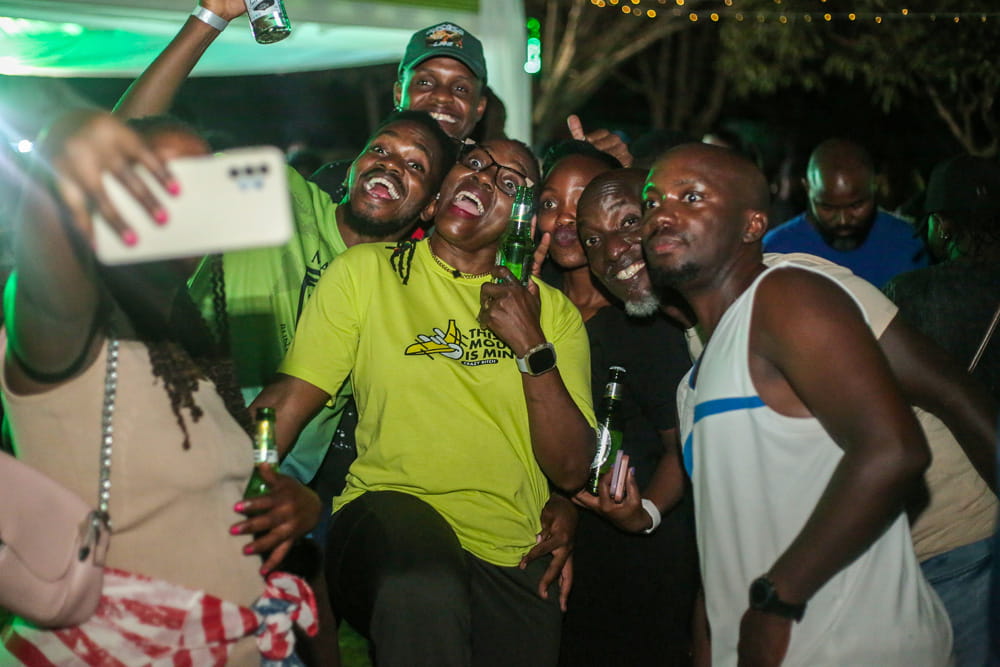
The recognition significantly enhances the race’s visibility among elite athletes and global running communities. A USD one million prize kitty, recently announced by State Minister for Sports Peter Ogwang, is expected to further elevate the event’s profile.
For Tusker Lite, the journey from a flag raised on a mountain summit to a globally recognised sporting platform reflects years of investment in a vision that connected active living, tourism and celebration.
“As Uganda Breweries, we have always believed that the communities around us should grow alongside our business. One of the things we are most proud of about the Tusker Lite Mt Rwenzori Marathon is seeing the impact it has had beyond race day. Over the years, Kasese has welcomed thousands of visitors, local businesses have benefited from increased activity, and the region has gained visibility on the global stage. Knowing that the marathon has contributed to changing fortunes for many people in the area is incredibly rewarding for us,” says Mutamuliza.
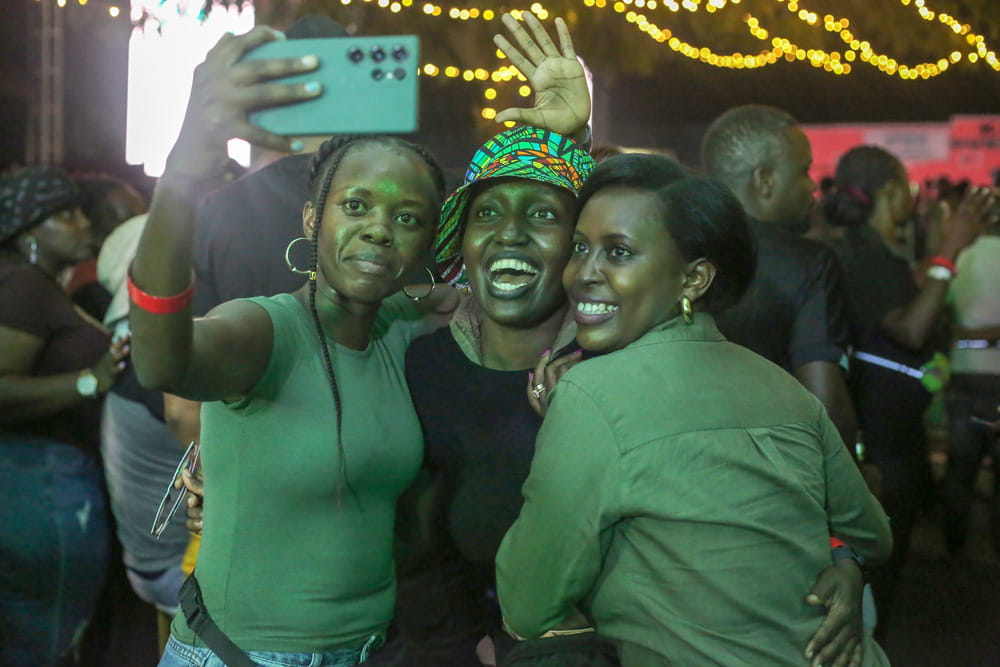
For athletes, it has become a pathway to bigger opportunities. For businesses, it has become an important economic driver. Yet, for Kasese, it is a source of pride and international visibility.
And for the thousands of runners who have crossed its finish line over the past four years, the Tusker Lite Mt Rwenzori Marathon has become proof that some of the biggest journeys begin with a single idea.


