


‘Where Memory Lives’, the highly anticipated group photography exhibition that ran at the Nommo Gallery throughout July 2024, concluded to critical acclaim, solidifying its place as one of the year’s most impactful contemporary art showcases in the capital.
The month-long exhibition brought together art enthusiasts, cultural critics, and collectors to experience the evocative lens of seven visionary artists: Miracle Okafor, Austin Tase, Uche Rita Okolie, Titilayo Samuel Olufemi, Andrew Chiedu, Charles Okweyeh, and Funmilayo Kayode.
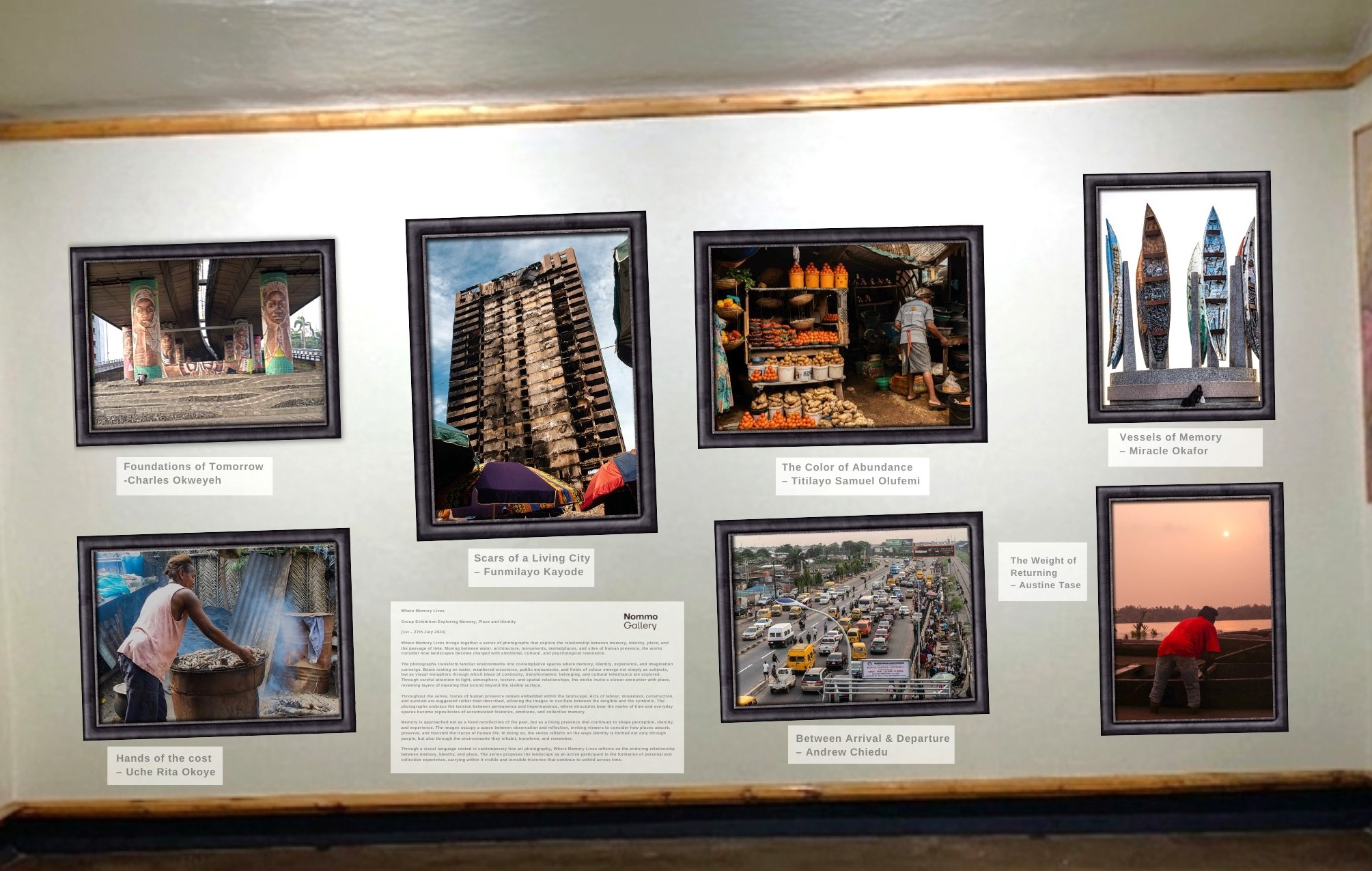
Staged at Nakasero’s historic Nommo Gallery, the showcase successfully transformed Uganda’s oldest public visual arts space into a bustling hub of intellectual dialogue. Observers and gallery curators noted a remarkable turnout, with diverse audiences gathered to engage with a visual language rooted deeply in contemporary fine art photography.
The success of ‘Where Memory Lives’ lay in its profound ability to transform familiar, everyday environments into deeply contemplative spaces. Moving through the gallery, visitors were confronted with striking imagery of boats resting silently on water, weathered architectural structures, public monuments, and expansive fields of colour. Rather than serving as static subjects, these photographs acted as powerful visual metaphors through which complex ideas of continuity, transformation, belonging, and cultural inheritance were actively explored.
A standout element praised by attendees was the artists’ masterful command of light, atmosphere, texture, and spatial relationships. The curation forced a slower, more deliberate encounter with each piece, prompting viewers to look past the visible surface to uncover the psychological and emotional resonance embedded within the frames.
Throughout the series, the subtle representation of human presence left a lasting impression. By suggesting rather than overtly describing acts of labour, movement, construction, and survival, the works beautifully captured the tension between permanence and impermanence. The structures on display, bearing the physical marks of time, effectively mirrored ordinary spaces as living repositories of accumulated histories and collective memory.
As the curtains fell on the exhibition, critics noted that ‘Where Memory Lives’ succeeded in shifting the perception of memory from a fixed recollection of the past into a living, breathing presence that continuously shapes identity and experience. By proving that landscapes are active participants in the formation of personal and collective history, the seven featured artists delivered a landmark exhibition that will be remembered as a masterclass in contemporary African visual storytelling.


