


I am Sina Tsegazeab, the Founder and CEO of Natna Hair, a multi-award-winning beauty brand specializing in human hair, wigs, and hair care products across East Africa and beyond. At Natna Hair, we are known for our commitment to authenticity, delivering natural results, and empowering African economies through job creation and local sourcing.
I had the privilege of participating in the inaugural edition of the iKON Awards Uganda–Nigeria Connect, a four-day networking activation organized by Humphrey Nabimanya of Reach A Hand. Held from the 25th to the 29th, this landmark event was designed to bridge the gap between Uganda’s film industry and Nigeria’s globally renowned Nollywood. I joined the initiative not just as a guest but as a representative of the hair and beauty industry, determined to seek opportunities, partnerships, and networks that could redefine our sector’s role in Africa’s creative economy.
From the outset, the event was impressively organized and exceeded my expectations. Truthfully, I entered with an open mind, not expecting much, since I am not directly in the film industry. My goal was simple; to make one or two valuable connections. Yet by the end of the four days, I walked away with countless networks, profound insights, and a renewed vision for how the hair and beauty sector can collaborate with the film industry to shape culture and inspire change.
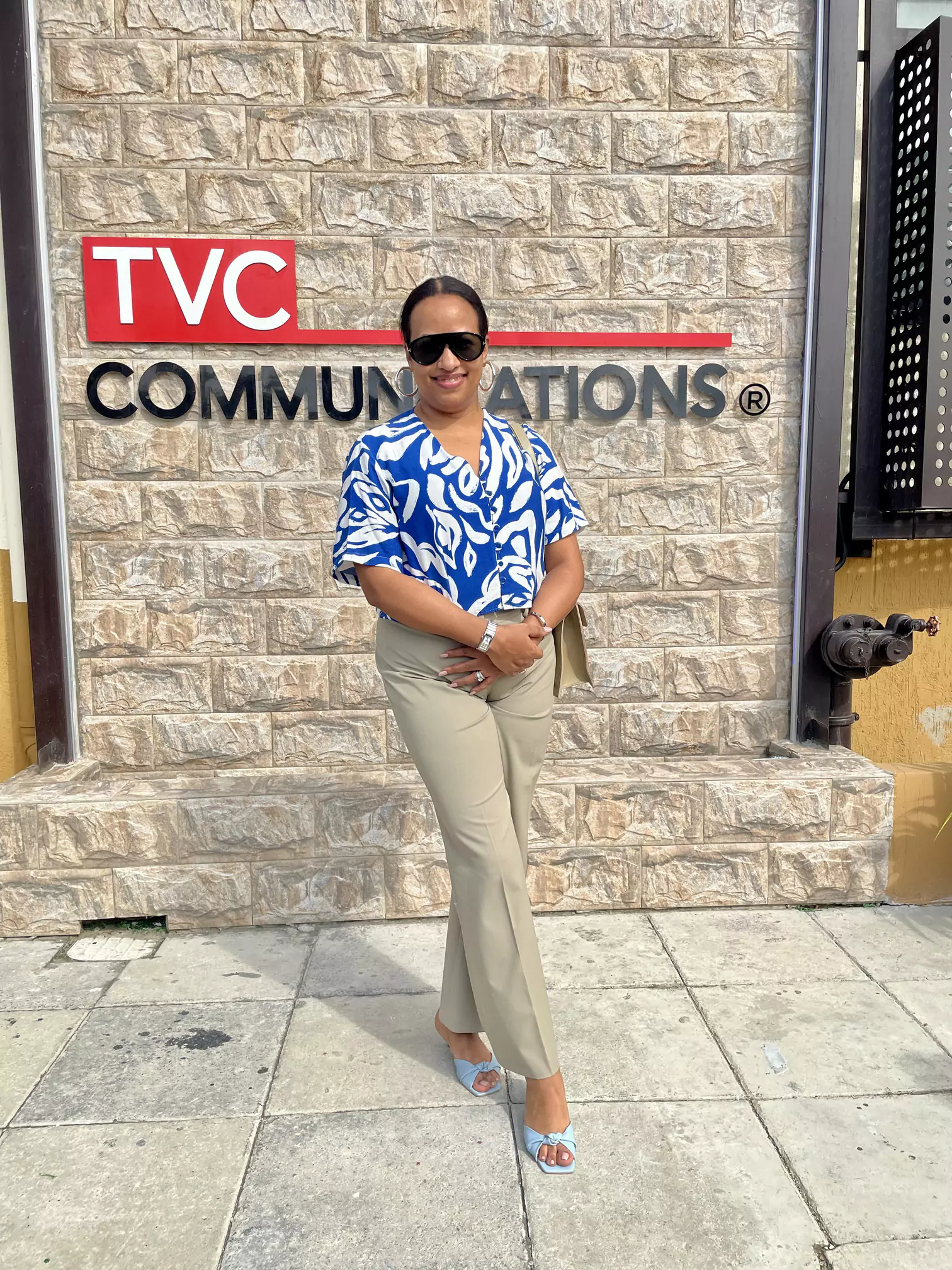
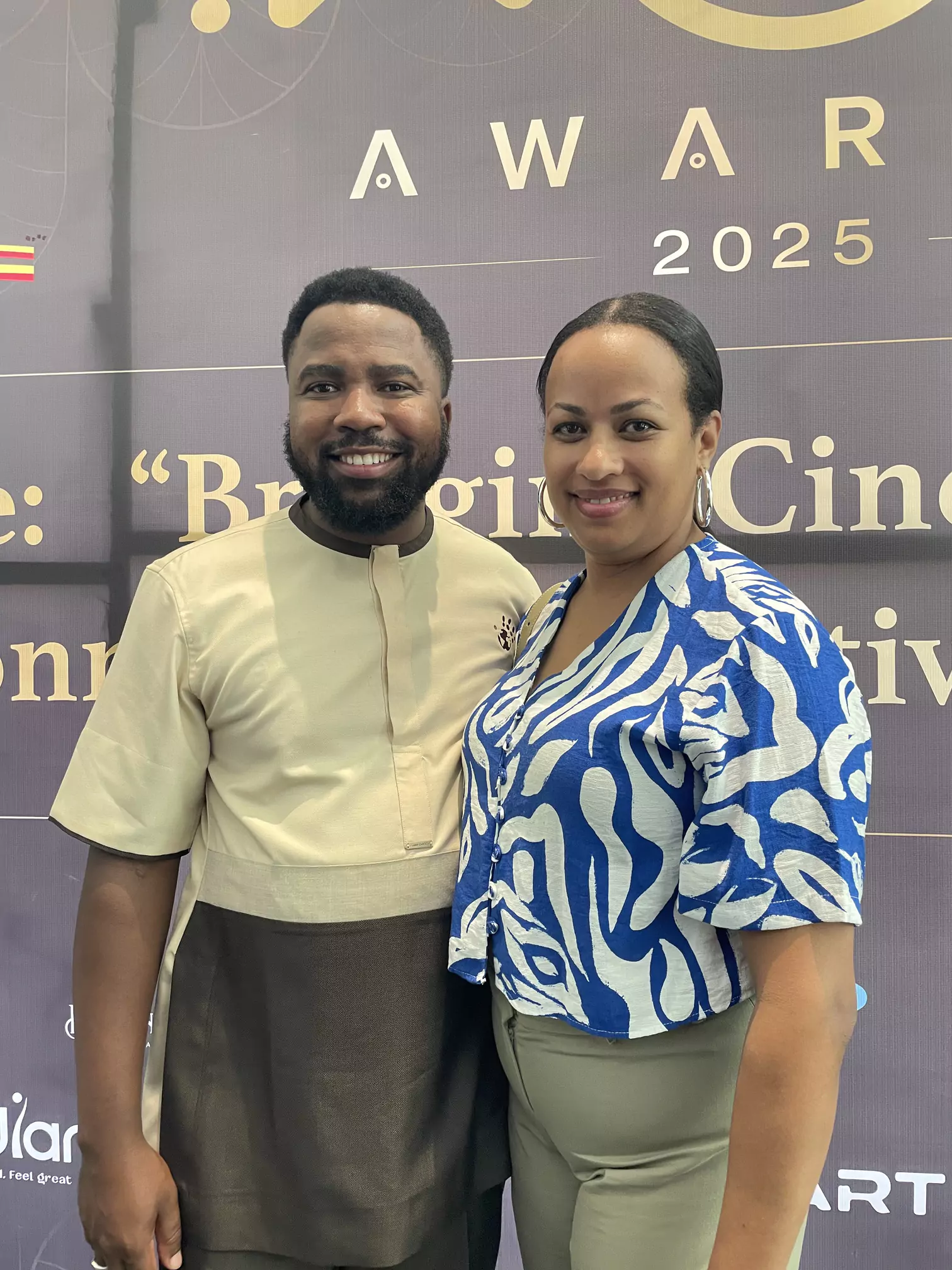
The reason for my participation was clear: film influences how people see themselves and how they aspire to look. Fashion and beauty trends are often born on the big screen. Having already established a presence in the art industry, I knew it was time to extend Natna Hair’s reach into film, an industry that has the power to inspire millions across Africa and beyond.
What struck me most during my time in Nigeria was how proudly and unapologetically Nigerians embrace their culture. They wear their own brands with pride; particularly African prints styled in endless creative variations. Western fashion barely takes center stage; instead, local designs dominate. Witnessing this cultural confidence was transformative for me personally. I returned home inspired to embrace and wear African prints more often, not just as fashion but as a statement of identity and pride.
The sessions at Ikon Connect were eye-opening. On the first day, a symposium on movie distribution revealed how Nigerian producers successfully place their films on platforms like Netflix and Amazon. Learning that Uganda’s Producers Guild is just one year old compared to Nigeria’s decade-long experience was humbling yet motivating. The willingness of Nigerian producers to share insights and explore collaborations was refreshing. Already, we are seeing co-productions between Nigerian and Ugandan filmmakers, a sign of the great things to come.
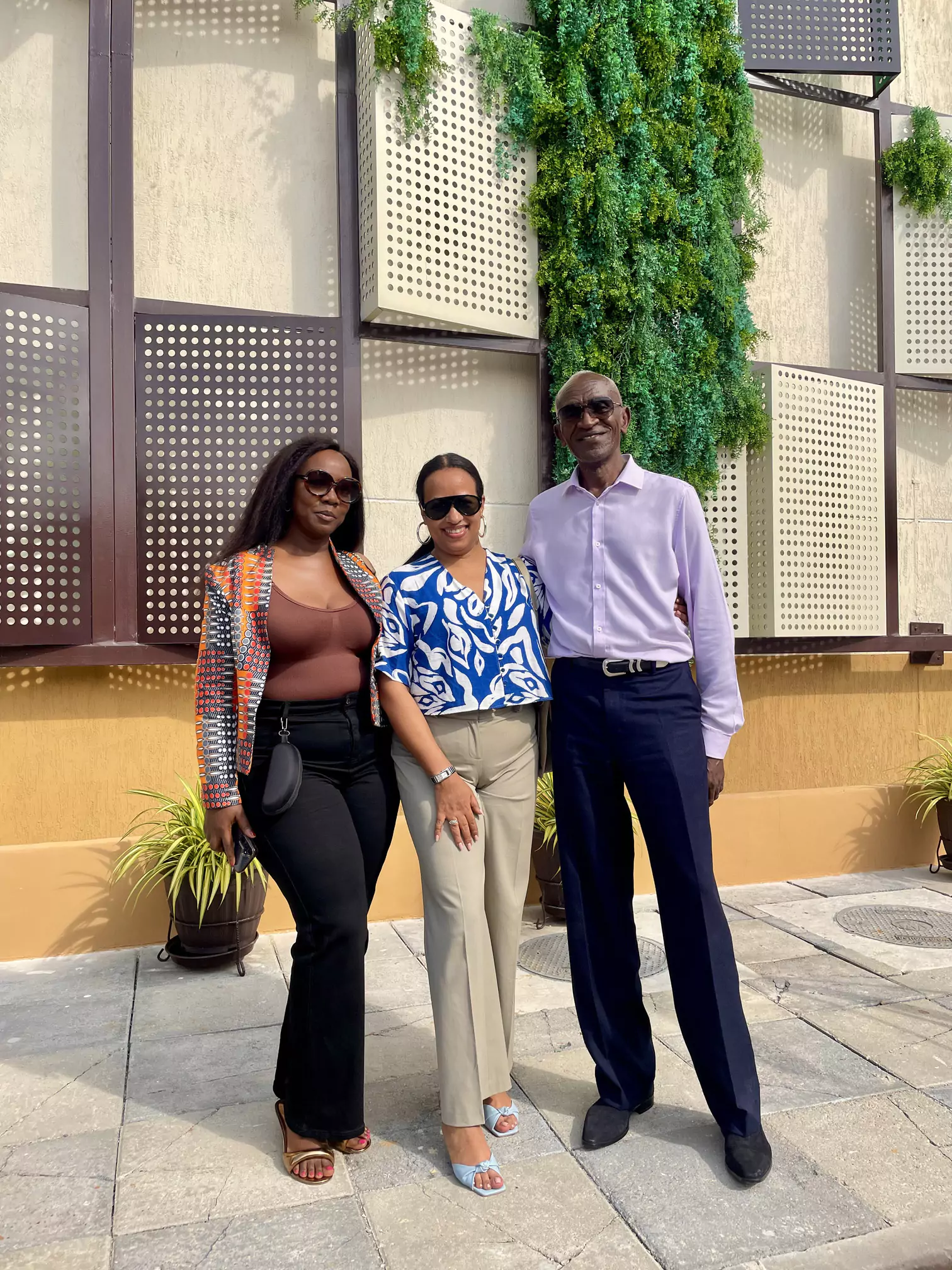
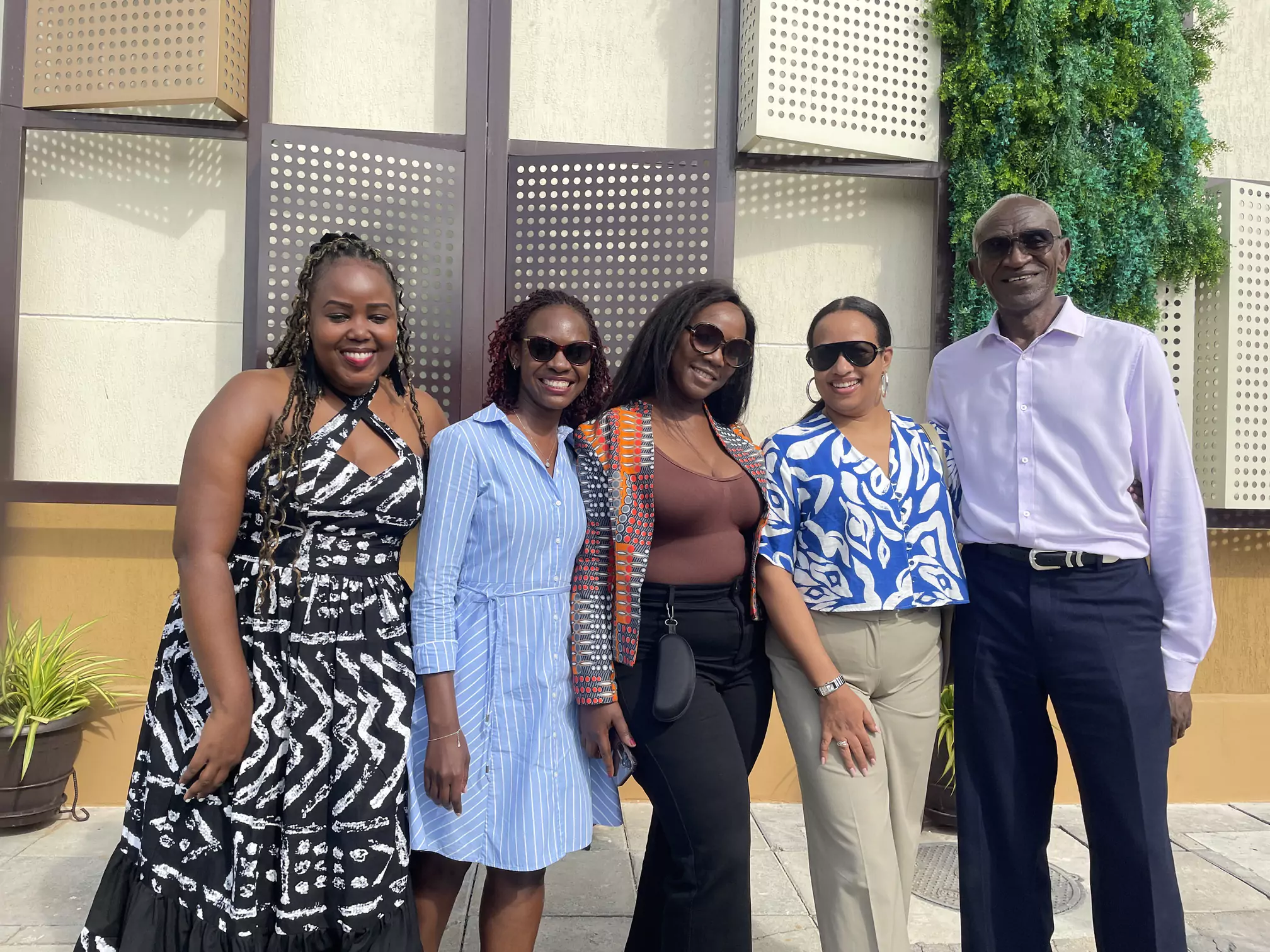
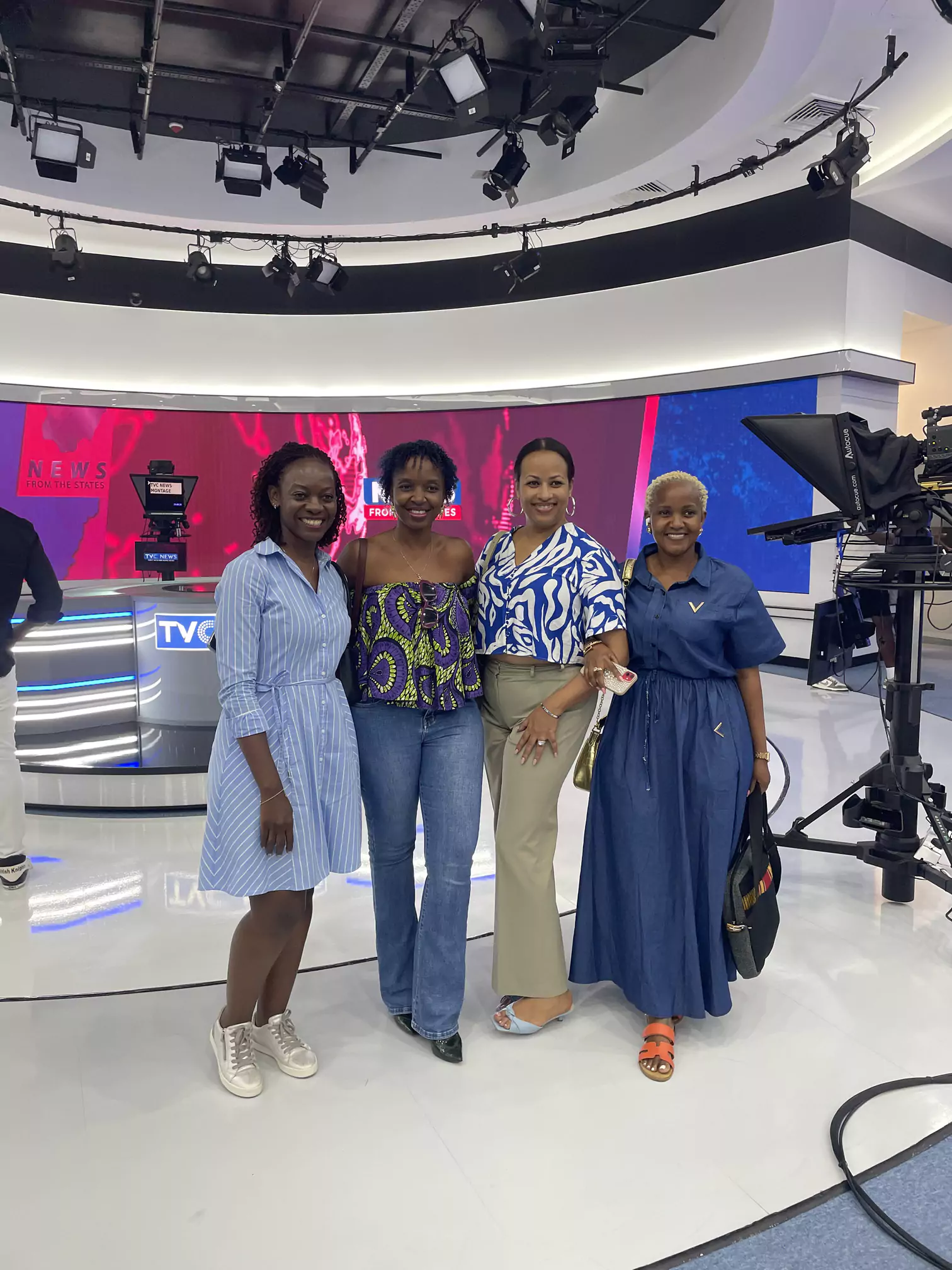
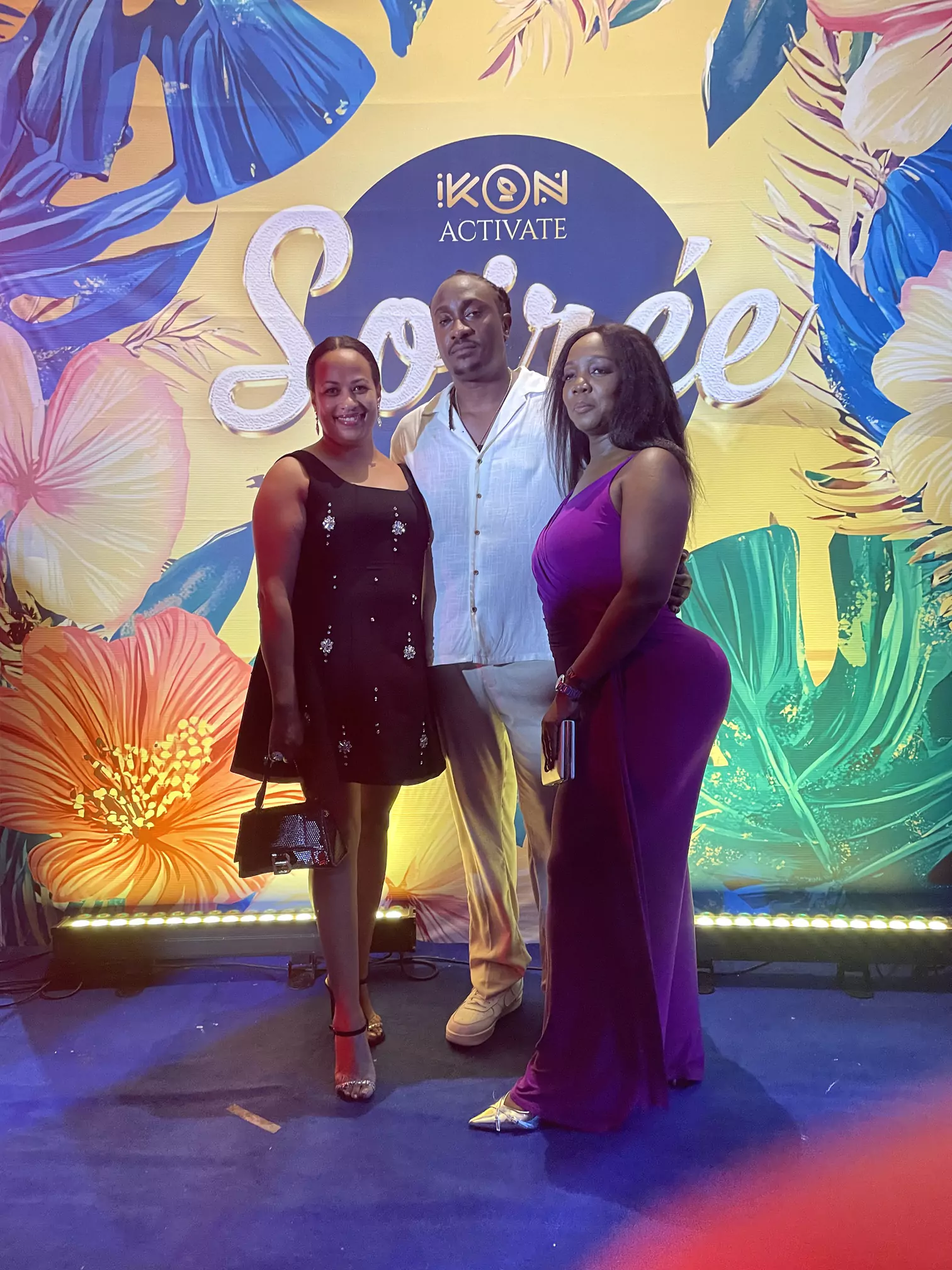
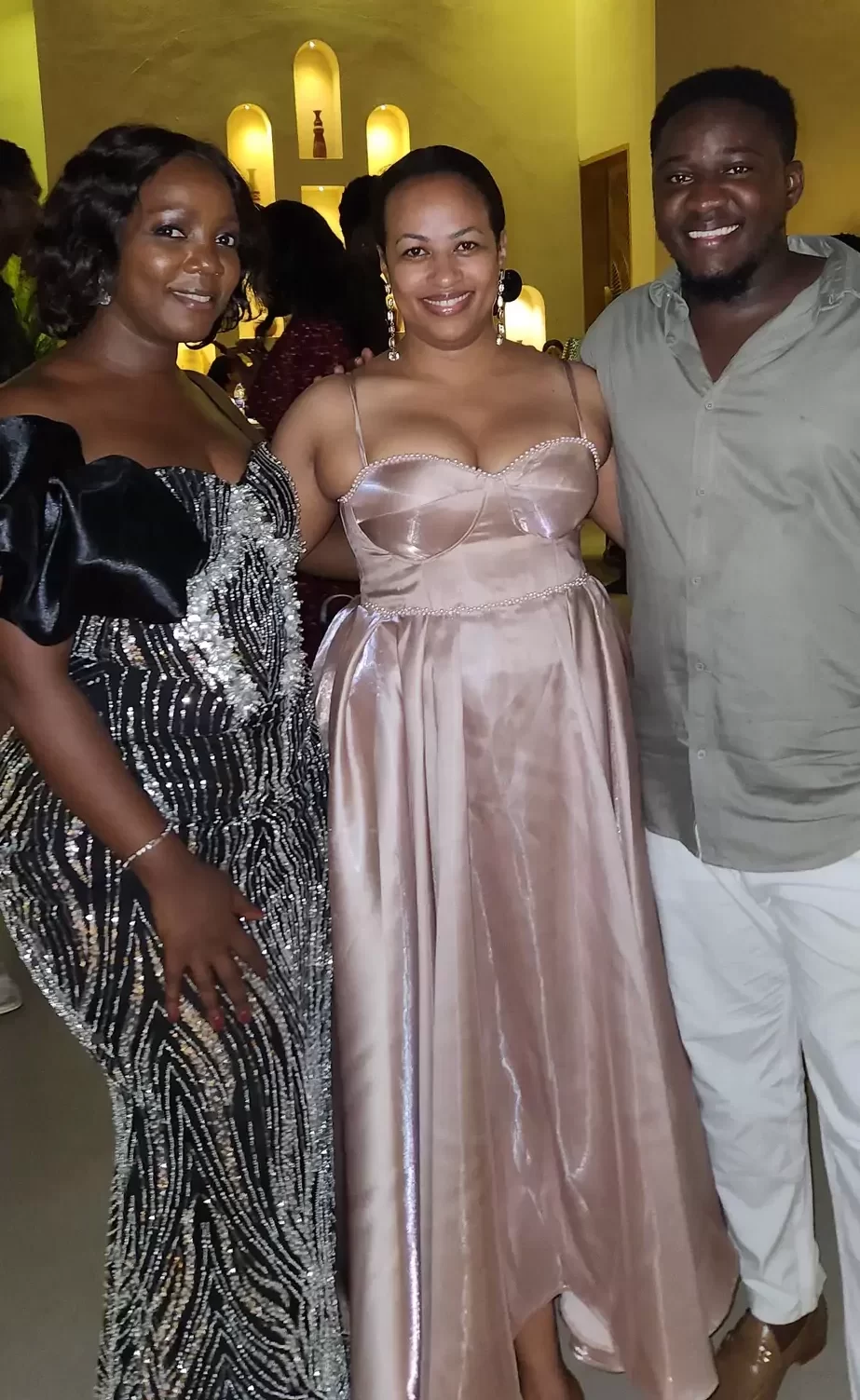
Beyond the structured sessions, the cultural immersion was equally enriching. We explored art galleries, shopped for traditional and modern wear, and indulged in Nigeria’s vibrant cuisine. The second day featured a glamorous soirée with key stakeholders from Nollywood, a perfect environment for building high-value connections. By the third day, networking was in full force, and I had met producers, industry leaders, and creatives eager to collaborate not only in film but also in fashion and beauty.
The biggest takeaway from this experience is that our hair and beauty industry must move forward with unity, vision, and determination. If we do not claim our space at the table now, we risk being sidelined in industries that shape culture, influence trends, and drive economies. Nigeria’s beauty and fashion industries are thriving not just because of talent, but because of collaboration, pride, and strategic positioning. Uganda has equally talented leaders and innovators in hair and beauty, but we must organize ourselves, form associations, and connect across industries if we want to compete on a continental scale.
My call to action is simple: the time for our hair and beauty industry to unite is now. The Ikon Awards Uganda–Nigeria Connect has shown us what is possible when industries come together. The opportunities are immense, but they require collective effort, collaboration, and a shared vision. Together, we can elevate Uganda’s beauty industry to new heights and ensure that we are not just participants in Africa’s creative economy, but leaders shaping its future.


