


In an era where fashion is increasingly called upon to reflect sustainability, identity, and purpose, two African-rooted fashion houses—José Hendo and Luchi’s Fashion Empire—stand out for their unyielding commitment to ethical practices and innovative design. Though distinct in their aesthetics and origins, both brands echo a common ethos: fashion should be responsible, inclusive, and deeply human.
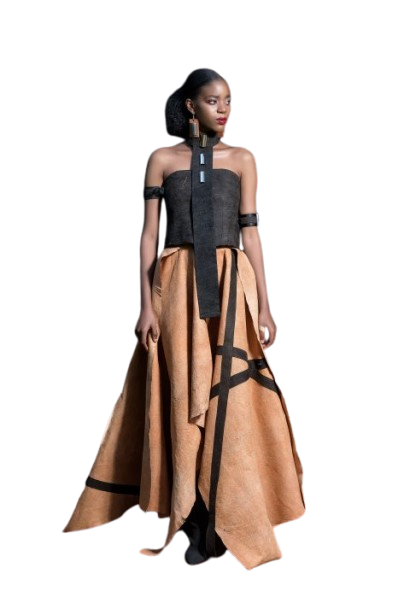
Founded by Ugandan-born British designer José Hendo, the eponymous label is widely celebrated for its trailblazing use of bark cloth, an ancient Ugandan fabric made from the inner bark of the mutuba tree. Hendo’s work champions slow fashion and zero-waste design, advocating for a shift away from mass production and toward a deeper respect for craftsmanship and heritage. The brand uses end-of-line, upcycled, and organic materials to construct garments that are as timeless as they are political.
The muted earth tones, deliberate silhouettes, and architectural draping of José Hendo designs often reflect nature and ancestral lineage. Hendo’s creations don’t simply clothe the body—they carry a message of environmental consciousness and African pride. Her minimalist aesthetic is imbued with a quiet power, making space for wearers to connect with themselves and their environment.
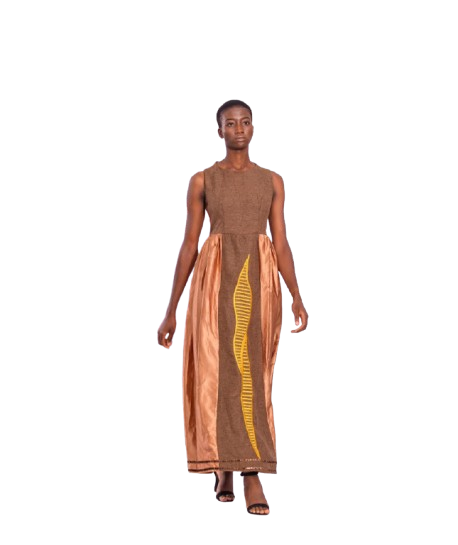
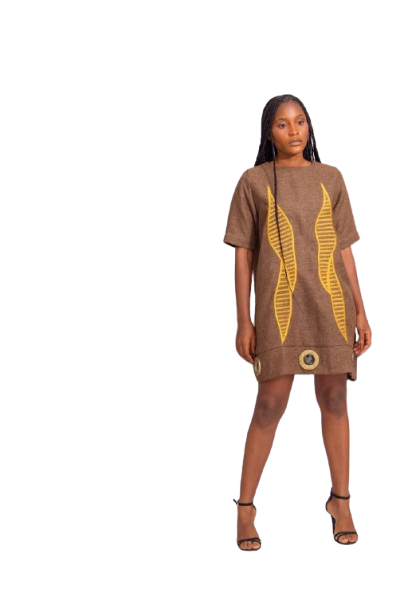
Luchi’s Fashion Empire, founded by Nigerian designer Oluchukwu Gift Abimbola, takes a different visual approach while sharing a core value of ethical integrity. Known for its elegant, figure-flattering dresses and bold color palettes, Luchi’s Fashion Empire empowers the modern African woman with clothing that tells stories of strength, sophistication, and self-expression. The brand serves a clientele of confident “Boss Ladies” who seek both comfort and command.
While Luchi’s silhouettes may differ from Hendo’s minimalism, the underlying craftsmanship is equally intentional. The brand emphasizes locally sourced fabrics, responsible tailoring, and collaborations with African artisans. Many of the designs embrace vibrant hues—royal purples, fiery reds, emerald greens—reflecting the rich, expressive culture of West Africa while maintaining a global sensibility. Each piece is made to empower, allowing the wearer to take up space unapologetically.
Despite the aesthetic contrast—José Hendo’s organic earthiness versus Luchi’s Fashion Empire’s polished vibrancy—the two brands are in conversation with one another through their shared values. Both embrace slow fashion principles, champion sustainability, and use their platforms to advocate for cultural pride and identity.
Neither designer is interested in trends for trend’s sake. Instead, their focus lies in creating clothing that lasts, speaks, and uplifts. Whether through Hendo’s bark cloth coats or Luchi’s signature power dresses, their garments serve as wearable narratives—stories of African innovation, womanhood, and ethical rebellion against fast fashion.
José Hendo’s signature use of bark cloth is a deeply symbolic and sustainable choice. Harvested without cutting down trees, the cloth is a renewable resource that holds cultural significance in Uganda. It is labor-intensive and eco-friendly, creating garments that are rich in both texture and story.
In contrast, Luchi’s Fashion Empire works with a variety of breathable, locally sourced materials including cotton, ankara, crepe, and jersey. The selection of fabric depends not just on appearance, but on comfort, durability, and origin. The brand’s decision to produce in limited quantities reflects a conscious rejection of wasteful overproduction.
Color also tells a story within these two fashion worlds. José Hendo frequently employs a palette of neutrals, earthy tones, and monochrome schemes that emphasize shape, form, and texture. Her approach is meditative, sometimes experimental, and always grounded in eco-consciousness.
Meanwhile, Luchi’s designs often burst with color, evoking power, joy, and presence. Bold hues are used strategically to celebrate the woman’s body and spirit. In a world that frequently marginalizes those who look different, Luchi’s use of color becomes a radical act of visibility and pride.
Though José Hendo and Luchi’s Fashion Empire operate in different corners of the fashion universe, their missions are aligned. Both designers are carving a space for African fashion on the global stage—one that is dignified, conscious, and rooted in identity. Their brands challenge the outdated notion that sustainability and style must be at odds, proving instead that ethics and elegance can walk hand in hand.
In amplifying African voices through fashion, José Hendo and Luchi’s Fashion Empire are not just making clothes—they are shaping culture. They remind us that true style is not just about what we wear, but how and why we wear it.
Related posts:
![Where Can We Go to Watch Ugandan Film]()
Where Can We Go to Watch Ugandan Film?
![The New Discipline: Why 2026 is the Year of the 'Architectural Soul' - Bright Urhobo of Ranto Clothi...]()
The New Discipline: Why 2026 is the Year of the 'Architectural Soul' - Bright Urhobo of Ranto Clothi...
![I Have Watched More Than 300 Girls Undergo Female Genital Mutilation in The Past Week Alone]()
I Have Watched More Than 300 Girls Undergo Female Genital Mutilation in The Past Week Alone
![Exploring How Nesnie Creations and Zargue'sia Combine African Heritage with Modern Trends]()
Exploring How Nesnie Creations and Zargue'sia Combine African Heritage with Modern Trends


