


Natural hair is beautiful, bold, and versatile. In Uganda, many people are embracing their natural hair textures and moving away from harsh chemical treatments. Whether you’re rocking an afro, twist-outs, dreadlocks, or short natural curls, taking care of your hair naturally can lead to stronger, shinier, and healthier strands.
With our rich natural resources and access to local ingredients, creating a natural haircare routine doesn’t have to be expensive or complicated. This article shares an effective, all-natural haircare routine tailored for Ugandans, along with tips for maintaining strong and healthy hair.
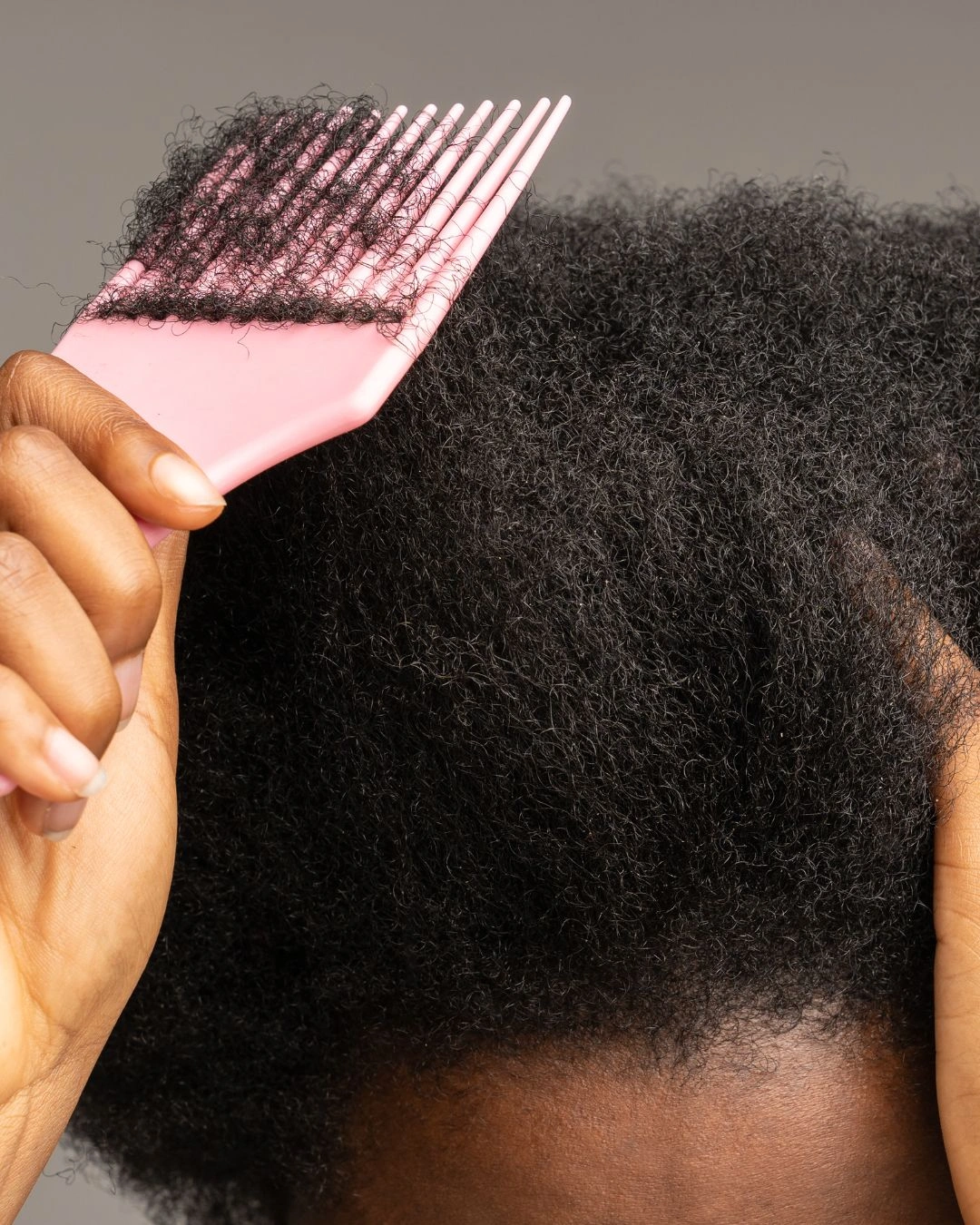
Why Go Natural?
Natural haircare is all about using ingredients that are free from harmful chemicals like sulfates, parabens, and mineral oils. These chemicals, commonly found in commercial shampoos and relaxers, often strip the hair of its natural oils, causing dryness, breakage, and scalp irritation.
Uganda has a variety of natural oils, herbs, and fruits that can be used to nourish and strengthen hair. Ingredients like shea butter, aloe vera, coconut oil, and hibiscus are affordable, effective, and easy to find in local markets.
Step-by-Step Natural Haircare Routine
1. Pre-poo Treatment (Before Washing)
Pre-pooing means applying oil or a conditioner before shampooing. It protects the hair from getting too dry during washing.
How to do it:
- Warm some coconut oil or olive oil and massage it into your scalp and hair.
- Cover your head with a plastic cap or wrap for 30 minutes before shampooing.
This step helps reduce breakage and makes detangling easier.
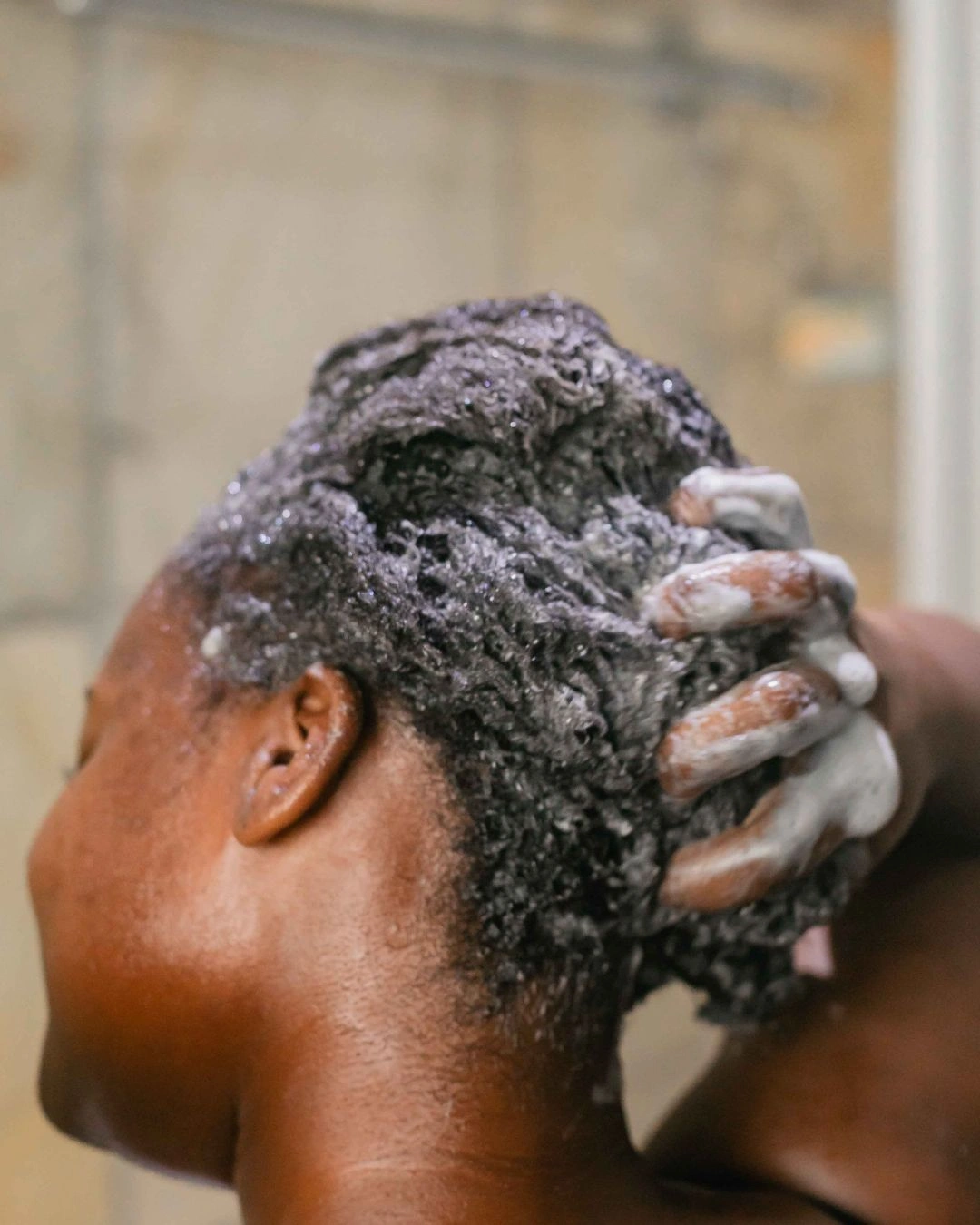
2. Cleansing (Once a Week)
Washing your hair once a week keeps your scalp clean and promotes healthy hair growth. Instead of harsh shampoos, opt for a sulfate-free shampoo or try a natural cleanser like African black soap or aloe vera.
Natural shampoo recipe:
- Mix 1 tablespoon of African black soap (grated) with warm water. Add a few drops of tea tree or peppermint oil.
- Use it to cleanse your scalp and hair, focusing on the roots.
Rinse thoroughly to remove all product and dirt buildup.
3. Deep Conditioning (Weekly or Bi-weekly)
Deep conditioning restores moisture and strengthens the hair shaft. You can use store-bought conditioners or make your own using natural ingredients.
DIY deep conditioner:
- 1 ripe avocado
- 2 tablespoons of honey
- 2 tablespoons of olive oil
How to use:
Blend the ingredients and apply the mixture to clean, damp hair. Cover with a plastic cap and leave for 30–45 minutes. Rinse out with lukewarm water.

4. Detangling (After Conditioning)
Use a wide-tooth comb or your fingers to detangle your hair gently. Always detangle when your hair is wet and slippery with conditioner to avoid breakage.
Work in sections, starting from the ends and moving up to the roots. Patience is key!
5. Moisturizing (Daily or As Needed)
Natural hair needs regular moisture to stay soft and manageable. The LOC method (Liquid, Oil, Cream) is a great technique to lock in hydration.
- Liquid: Start with water or a water-based leave-in spray.
- Oil: Seal in moisture with coconut oil, castor oil, or sunflower oil.
- Cream: Apply shea butter or a whipped natural cream to keep hair moisturized.
Apply this method after washing and on days when your hair feels dry.
6. Protective Styling (2–4 Weeks)
Protective styles like braids, twists, bantu knots, or cornrows help reduce manipulation and breakage. Keep your styles neat and avoid tight pulling that can cause tension on your edges.
Make sure to moisturize your scalp and hair while in protective styles to keep it healthy underneath.
7. Night Routine (Daily)
Sleeping with your hair uncovered can lead to dryness and breakage due to friction. Protect your hair at night by:
- Wearing a satin or silk scarf or bonnet.
- Using a satin pillowcase if you don’t like covering your head.
This helps retain moisture and preserves your hairstyle.
Bonus Natural Treatments
- Aloe Vera Gel: Soothe your scalp and encourage hair growth by massaging fresh aloe vera gel into your scalp.
- Hibiscus Hair Mask: Blend hibiscus petals with coconut milk for a deep conditioning mask that strengthens hair and promotes shine.
- Onion Juice: Stimulates hair growth and can be used as a scalp treatment (twice a month for best results).
Tips for Healthy Natural Hair
- Trim Split Ends: Trim your ends every 8–12 weeks to prevent breakage and maintain healthy length.
- Avoid Heat: Limit the use of flat irons and blow dryers. If you must use them, always apply a heat protectant.
- Eat Healthy: A diet rich in fruits, vegetables, and protein supports strong hair growth from within.
- Stay Hydrated: Drinking enough water helps keep both your skin and hair hydrated.
Conclusion
Natural hair is a journey that requires patience, love, and consistency. With the right routine and local, natural ingredients, you can achieve soft, strong, and healthy hair without spending a fortune. Embrace the beauty of your natural texture and give your hair the care it deserves—naturally.
Whether you’re new to natural hair or have been on the journey for years, these tips can help you fall in love with your hair all over again. Your crown is uniquely yours—wear it proudly!
Let me know if you want this article turned into a blog post layout, PDF printable, or broken down into Instagram carousel slides!
satisfashionug@gmail.com


